


South Mountain Nursery
Paw Paw Tree - 6 Seeds - Edible Fruit, Easy to Grow, Exotic
Paw Paw Tree - 6 Seeds - Edible Fruit, Easy to Grow, Exotic
Couldn't load pickup availability
1.
Appearance: Pawpaw trees are typically understory trees that grow to about 15-30 feet in height, but can reach up to 40 feet under optimal conditions. They have a pyramidal shape with a short, slender trunk and broad, spreading branches.
2.
Leaves: The leaves of the pawpaw tree are large, up to 12 inches long and 4-6 inches wide, and oblong in shape. They are medium to dark green in the summer and turn yellow in the fall.
3.
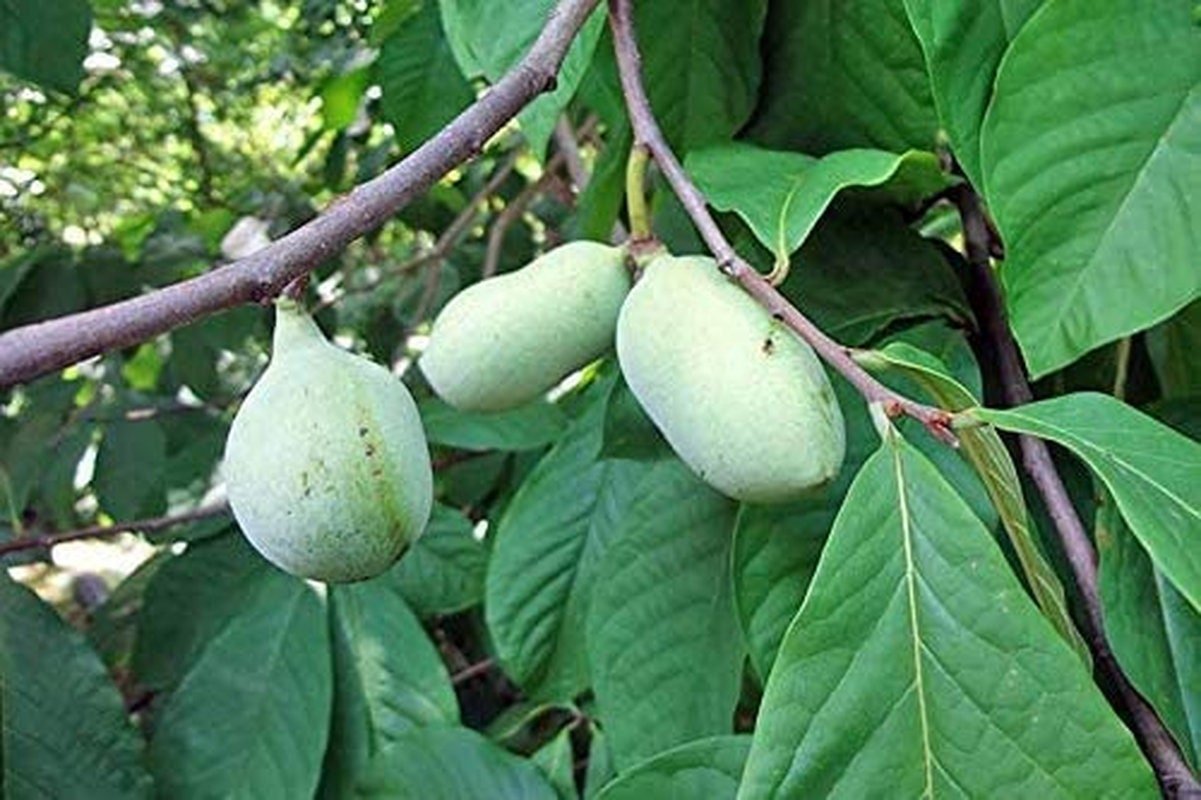
Fruits: The fruits of the pawpaw tree are typically 3-6 inches long, although some can reach up to 5 inches in diameter. They are somewhat similar in appearance to a short, fat banana. The fruit's skin turns from green to yellow or brown as it ripens.
4.
Taste: Pawpaw fruits have a custard-like texture and a sweet, tropical taste often compared to bananas, mangoes, and melons. They contain several large, glossy, dark brown seeds.
5.
Cultivation: Pawpaw trees prefer deep, fertile soil that is moist but well-draining. They grow best in full sun to part shade. The trees have a deep taproot, so they don't transplant well once established.
6.
Use: The fruit of the pawpaw tree is the primary product of the tree, which can be eaten fresh or used in baking, ice cream, and other desserts. The tree itself is often used in landscaping for its distinctive leaves, attractive shape, and unique fruits.
7.
Climate: Pawpaw trees are cold hardy and can be grown in USDA hardiness zones 5-9.
8.
Propagation: Pawpaw trees can be propagated from seed or by grafting. They are known to spread via suckers to form small groves or thickets.
Shipping & Returns
Shipping & Returns
If an item arrives damaged or not as described, you can request a refund by contacting our customer service team within a specified time frame. We may ask you to provide photos or other evidence of the damage. Once we receive your request and confirm the issue, we will process the refund as soon as possible.


Our Guarantee
-

Shipping
We take great pride in our commitment to ship on time. Our team works diligently to ensure that every order is processed promptly and efficiently.
-

Refunds & Returns
If an item arrives damaged or not as described, you can request a refund by contacting our customer service team within a specified time frame.
-

Quality Guarantee
We ensure the quality of our products by using high-quality materials, and working with reputable suppliers.
