


South Mountain Nursery
Black Locust False Acacia Tree - 50 Seeds - Robinia Pseudoacacia
Black Locust False Acacia Tree - 50 Seeds - Robinia Pseudoacacia
Couldn't load pickup availability
1. Appearance: Black Locust trees typically grow between 30 to 50 feet tall, but can reach up to 80 feet in optimal conditions. They have a narrow, irregular shape with a short trunk and brittle, angular branches.
2. Bark and Branches: The bark is deeply furrowed and dark, almost black in color, hence the common name "Black Locust". The tree has thorny branches and twigs.
3. Leaves: The leaves are pinnately compound (feather-like), typically with 7-19 oval leaflets. They are dark green in the summer and turn yellow in the fall before dropping off.
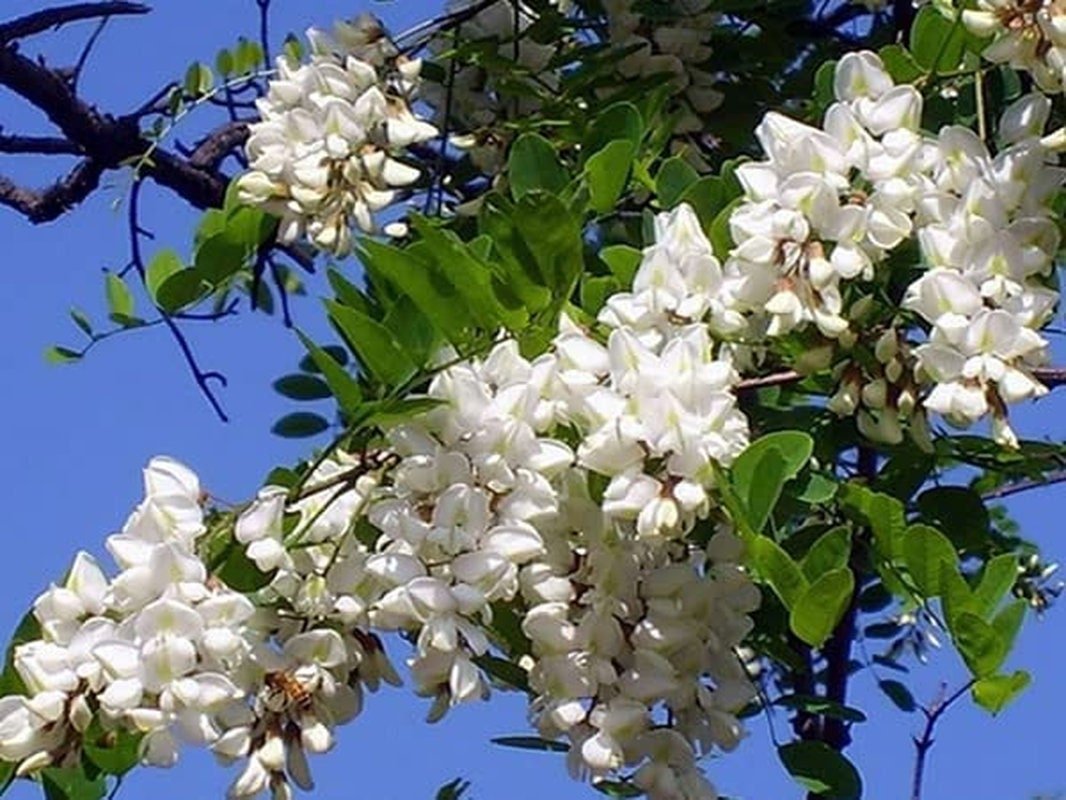
4.Flowers: In late spring, the Black Locust tree produces drooping clusters of fragrant, white, pea-like flowers. These flowers are attractive to bees, making the tree an excellent source of nectar for honey production.
5. Fruit: The fruit is a flat, smooth legume or pod that matures in the fall. Each pod contains 4-8 hard, dark seeds.
6. Cultivation: Black Locust trees are adaptable and can thrive in a variety of soil types, including poor, dry soils. They prefer full sun and are highly resistant to drought and pollution, which makes them suitable for urban environments.
7. Use: The wood of the Black Locust tree is hard, strong, and resistant to rot, making it useful for fence posts, furniture, and flooring. Its flowers are used in the production of honey.
8. Climate: The Black Locust tree is very hardy and can grow in USDA hardiness zones 3-8.
9. Maintenance: The tree is relatively low-maintenance but can be prone to several pests and diseases, including locust borers and leaf miners. Its propensity for suckering can make it invasive in some areas.
10. Interesting Fact: Due to its fast growth and nitrogen-fixing capabilities, Black Locust has been used for reforestation efforts and to reclaim disturbed lands.
Shipping & Returns
Shipping & Returns
If an item arrives damaged or not as described, you can request a refund by contacting our customer service team within a specified time frame. We may ask you to provide photos or other evidence of the damage. Once we receive your request and confirm the issue, we will process the refund as soon as possible.

Our Guarantee
-

Shipping
We take great pride in our commitment to ship on time. Our team works diligently to ensure that every order is processed promptly and efficiently.
-

Refunds & Returns
If an item arrives damaged or not as described, you can request a refund by contacting our customer service team within a specified time frame.
-

Quality Guarantee
We ensure the quality of our products by using high-quality materials, and working with reputable suppliers.
