


South Mountain Nursery
Paw Paw Tree - 6 Seeds - Edible Fruit, Easy to Grow, Exotic
Paw Paw Tree - 6 Seeds - Edible Fruit, Easy to Grow, Exotic
No se pudo cargar la disponibilidad de retiro
1.
Appearance: Pawpaw trees are typically understory trees that grow to about 15-30 feet in height, but can reach up to 40 feet under optimal conditions. They have a pyramidal shape with a short, slender trunk and broad, spreading branches.
2.
Leaves: The leaves of the pawpaw tree are large, up to 12 inches long and 4-6 inches wide, and oblong in shape. They are medium to dark green in the summer and turn yellow in the fall.
3.
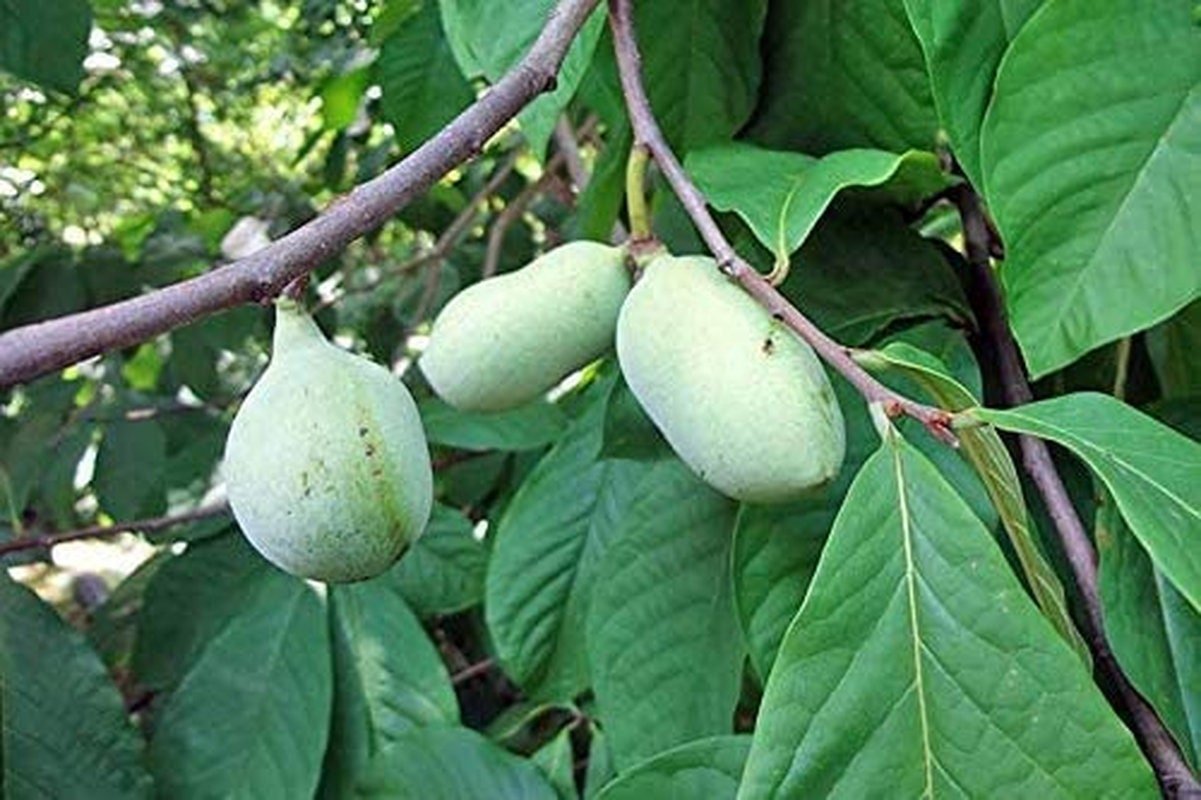
Fruits: The fruits of the pawpaw tree are typically 3-6 inches long, although some can reach up to 5 inches in diameter. They are somewhat similar in appearance to a short, fat banana. The fruit's skin turns from green to yellow or brown as it ripens.
4.
Taste: Pawpaw fruits have a custard-like texture and a sweet, tropical taste often compared to bananas, mangoes, and melons. They contain several large, glossy, dark brown seeds.
5.
Cultivation: Pawpaw trees prefer deep, fertile soil that is moist but well-draining. They grow best in full sun to part shade. The trees have a deep taproot, so they don't transplant well once established.
6.
Use: The fruit of the pawpaw tree is the primary product of the tree, which can be eaten fresh or used in baking, ice cream, and other desserts. The tree itself is often used in landscaping for its distinctive leaves, attractive shape, and unique fruits.
7.
Climate: Pawpaw trees are cold hardy and can be grown in USDA hardiness zones 5-9.
8.
Propagation: Pawpaw trees can be propagated from seed or by grafting. They are known to spread via suckers to form small groves or thickets.
Envíos y devoluciones
Envíos y devoluciones
Si un artículo llega dañado o no es como se describe, puedes solicitar un reembolso comunicándote con nuestro equipo de atención al cliente dentro de un plazo específico. Es posible que te pidamos que nos proporciones fotos u otra evidencia del daño. Una vez que recibamos tu solicitud y confirmemos el problema, procesaremos el reembolso lo antes posible.


Nuestra garantía
-

Envío
Nos enorgullecemos de nuestro compromiso de realizar los envíos a tiempo. Nuestro equipo trabaja con diligencia para garantizar que cada pedido se procese de manera rápida y eficiente.
-

Reembolsos y devoluciones
Si un artículo llega dañado o no como se describe, puede solicitar un reembolso comunicándose con nuestro equipo de atención al cliente dentro de un plazo específico.
-

Garantía de calidad
Garantizamos la calidad de nuestros productos utilizando materiales de alta calidad y trabajando con proveedores de confianza.
